Monday, October 17, 2016
Kindergarten Reading
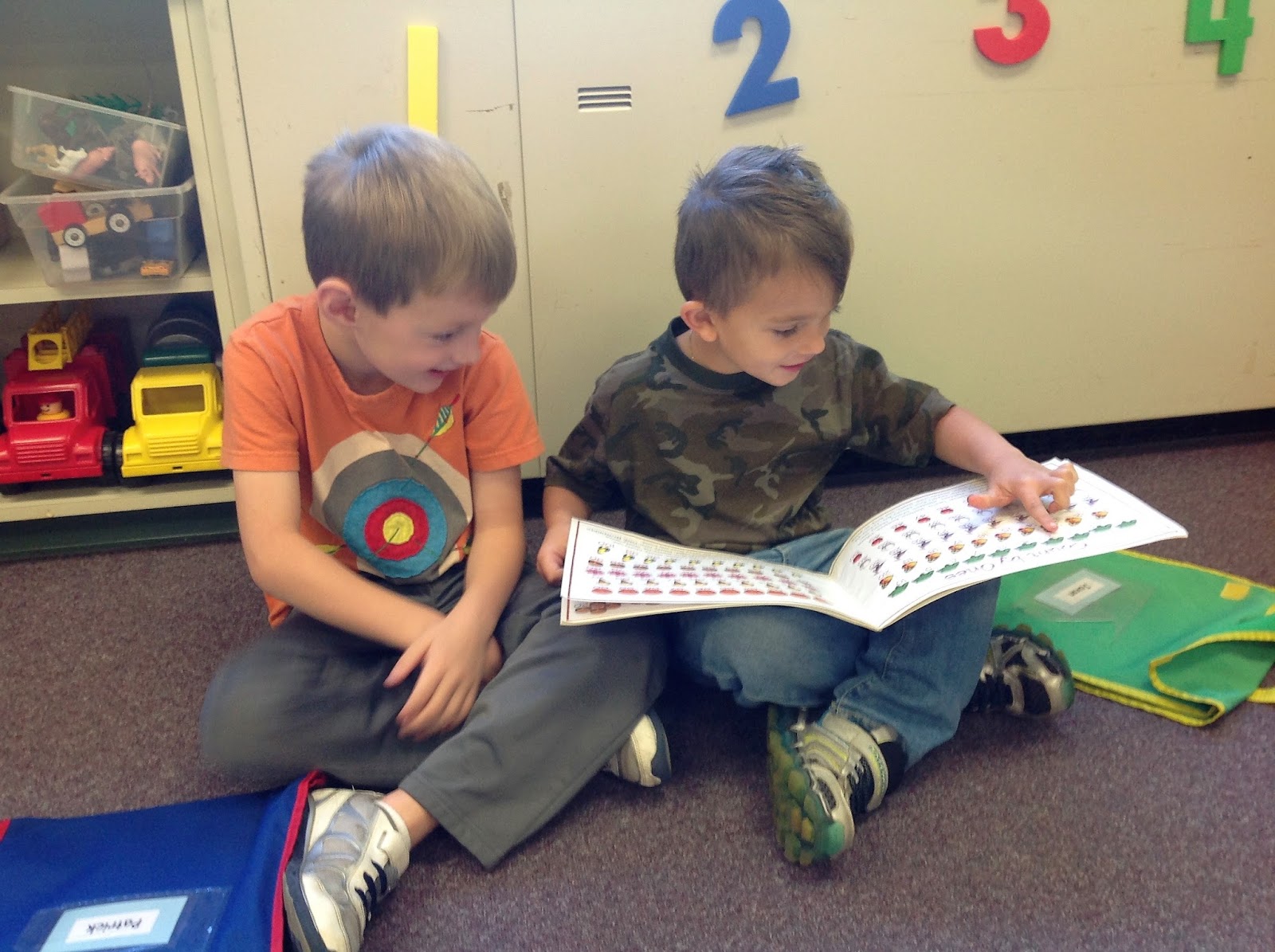
The children have been working hard to build up their stamina in Reading to Self. They have also learned how to Read to Someone. Many of the expectations are the same, including get started right away. Stay in one place and read quietly the whole time. Make sure the book is in the middle so you and your partner both can see. Ask your child about "EEKK" position. They are doing a wonderful job and will soon learn about about Listen to Reading using RAZ kids on the iPads. More information will be sent home so that your child may listen to reading at home as well.
Monday, October 3, 2016
K-Rob BMX School Assembly Program
| Our own classmate, James, was chosen to help K-Rob make a basket! |
| Everyone was surprised when K-Rob rode in to the gym! |
| Two points! Teamwork! |
Thursday, September 8, 2016
Tuesday, May 17, 2016
How To Books
| Our very popular book display of procedural texts (how to books) published by Room 304! If you are interested in learning about how to do something, please check out this list of published books written by Mrs. Craven's Kindergarten!
How to Make a Stool by Noah
How to Feed my Fish by Caleb
How to Break a Board by Stella
How to Dive by Quinn L.
How to Go to the Doctor's Office by Callie
How to Catch a Fish by Alexander
How to Teach my Sister to Swim by Ava
How to Feed a Cat by Nevin
How to Catch a Chicken by Uma
How to Get Dressed for Skiing by Erin
How to Do a Karate Move by Aidan
How to Plant a Tree by Abigail
How to Make a Lego Ship by Oliver
How to Make a Hot Air Balloon by Quinn W.
How to Make Chocolate Chip Cookies by Ruby
How to Buy a Cap by Tyler
How to Earn an Animal's Trust by Sophie
The children first brainstormed topics they felt they could teach someone else. Thank you for helping them at home. We sketched the steps we would take to teach someone about our topic, planning the transition words we would use. The children had a list of procedural words for reference. This list included words such as first, next, then, after that, last, and finally. Then we put each step on a separate page, wrote complete sentences, added detail, and worked hard to publish our books.
This was another experience following the writing process through to publication. First, the children brainstormed their topic. Next, they worked on a rough draft. After that, they made revisions and added detail. Then, they edited their work making sure they had capitals and periods in the correct places, spaces between their words, lower case letters, and trick words spelled correctly. Finally we designed covers for our published books.
Now we are on to informational writing. You can look forward to our published books on sea animals in the coming weeks. What amazing writers!
|
Thursday, May 5, 2016
Living and Non-Living Nature Walk
Monday, April 11, 2016
Opinion Writing
We recently finished our unit on opinion writing by putting together a collection of our favorites. I enjoyed sharing these books with you during our conferences and hope that you enjoyed reading them again with your child.
During this unit, the children first worked on understanding the difference between fact and opinion by sorting a variety of statements. Then we talked about giving a reason for our opinion and using the word "because". Another mini-lesson focused on different ways to start an opinion piece, for example with the words "My favorite..." "I like..." During our favorites writing, the children needed to think of a favorite to write about as well as at least two reasons why they had that opinion. We also tried to include a closing statement. The children had between two and six "favorites" in their books.
Common Core Standard W.K.1. Use a combination of drawing, dictating, and writing to compose opinion pieces in which they tell a reader the topic or the name of the book they are writing about and state an opinion or preference about the topic or book (e.g., My favorite book is…).
We particularly enjoyed designing our covers and sharing our books with friends.
Monday, March 14, 2016
Sink and Float
What types of shapes can float?
How can you make a boat out of clay? Out of tin foil?
How many counters can you add before your boat sinks?
We learned that if you make your boat thin and keep the sides up, it floats better. You have to be very careful to balance the weight you add to your boat. We also learned how important it is to work slowly and keep trying!
We read Mr. Gumpy's Outing by John Burningham and Who Sank the Boat? by Pamela Allen to inspire our scientific exploration!
| We explored many different objects to see what would sink and what would float. |
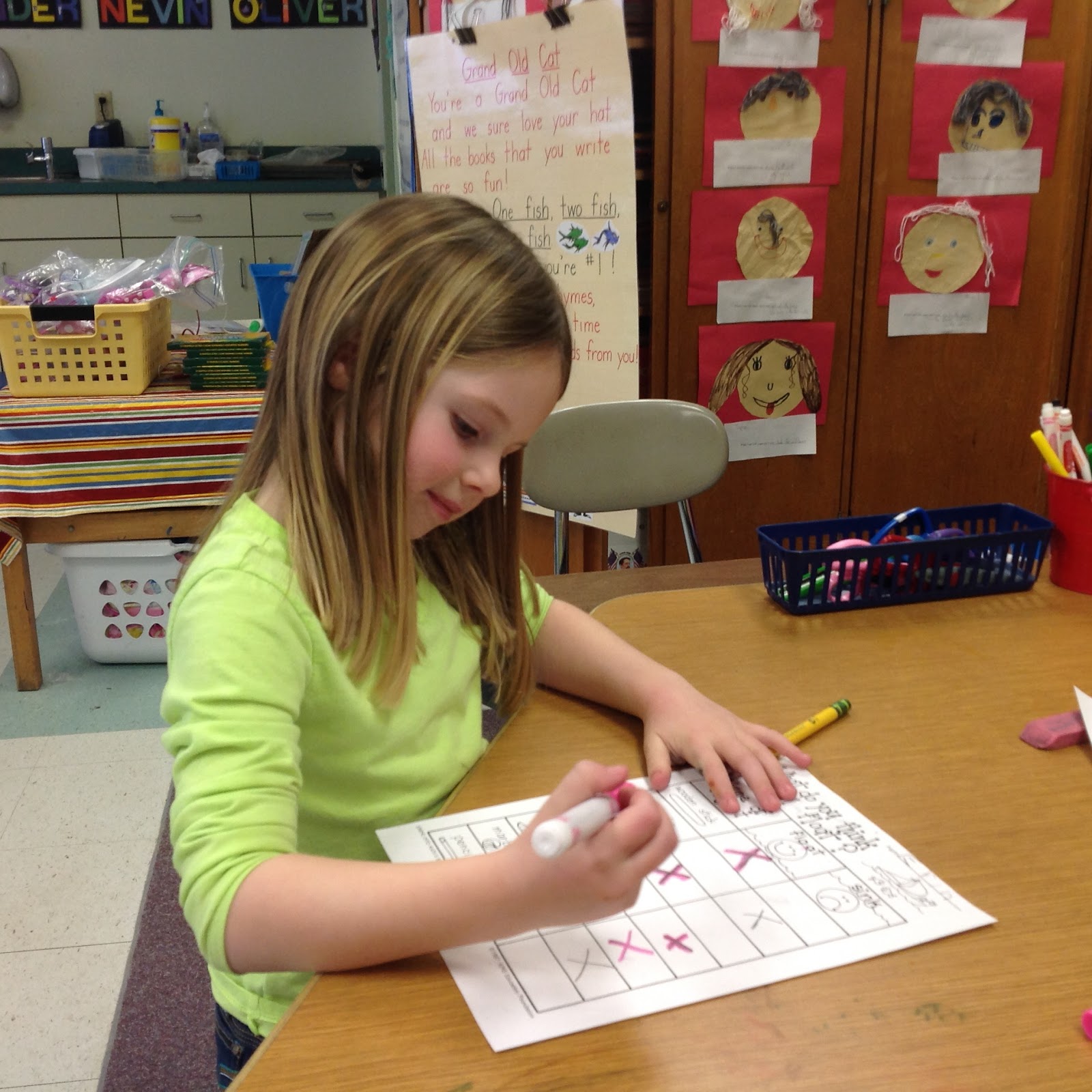
| After we experimented, we recorded our findings. |
| We still wonder...why does a sweet potato float and a regular baking potato sink?..... |
Watch and learn!
Subscribe to:
Posts (Atom)